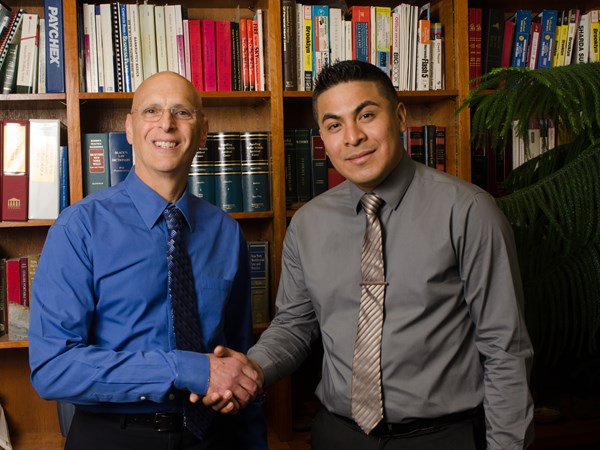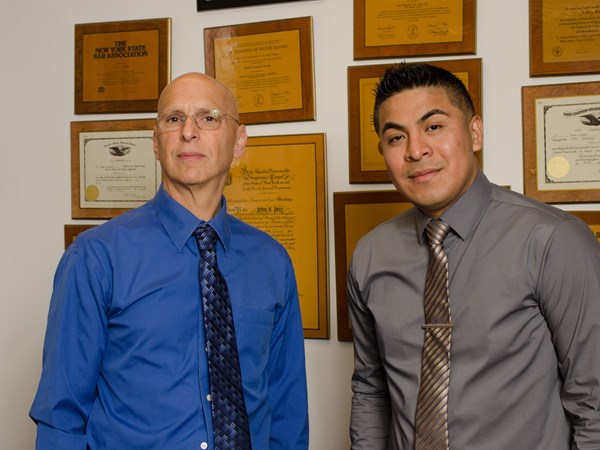








Welcome to the Law Firm of Jeffrey B. Peltz, P.C.
Since 1986 we have helped over 25,000 clients in the areas of accidents, bankruptcy, family law, immigration, real estate, wills and estates. We take great pride in providing outstanding legal services at reasonable fees. Our goal is to get you the results you seek, may it be obtaining money damages if you were injured in an accident due to the negligence of another, need to get out of debt through bankruptcy, planning on getting married and need a prenuptial agreement, married and desire a post-nuptial agreement, get out of a bad relationship through annulment, divorce, or legal separation, buy or sell a house, condo or coop, obtain a green card or citizenship, get your affairs in order by writing your will, living will, health care proxy and power of attorney or probate a will. Our aim is to do this as quickly and inexpensively as possible. We think of our clients as our extended family. If you check our reviews online, you will find that many of our clients appreciate our attitude and the way we practice law.
Our office is located at 225 Broadway, Ste. 1900, New York, New York 10007, in Lower Manhattan, near public transportation, easily accessible from anywhere in New York City. In addition to English, we also speak Spanish. We are open evenings. We can help you whether you live in New York City or the surrounding areas. We offer both in person and virtual office visits. We provide free consultations for the following type of matters: personal injury, bankruptcy, uncontested divorce, divorce by publication, annulments, legal separation, prenuptial and post-nuptial agreements, real estate, wills and estate. We charge a $200 consultation fee for the following types of matters: contested divorces, family court, and immigration. if you retain our services, the $200 fee will be applied towards our legal fee .
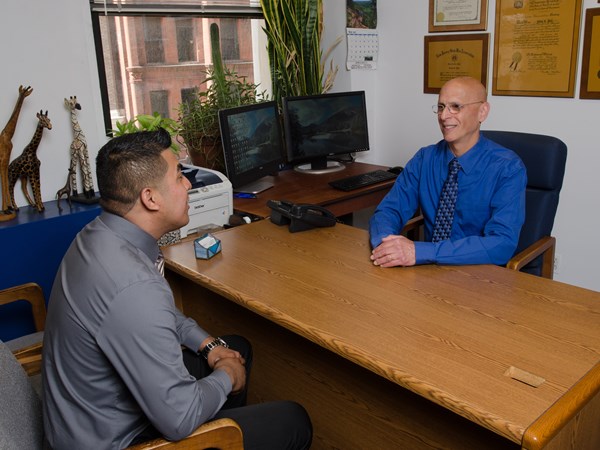
At the consultation, we will listen to you and provide you with your options to solve your legal problem. Our fees are competitive and we accept credit and debit cards and offer payment plans.